
















Hekima Safaris https://hekima-safaris.com/ Explore East Africa Wed, 20 Nov 2024 12:53:42 +0000 en-US hourly 1 https://wordpress.org/?v=6.7.1 https://hekima-safaris.com/wp-content/uploads/2022/12/cropped-cropped-LogoHighRes-32x32.png Hekima Safaris https://hekima-safaris.com/ 32 32 Kilimanjaro Gear List https://hekima-safaris.com/blog/new-years-adventure-summiting-kilimanjaro-2-2/ https://hekima-safaris.com/blog/new-years-adventure-summiting-kilimanjaro-2-2/#respond Wed, 20 Nov 2024 10:11:27 +0000 https://hekima-safaris.com/?p=5176 Kilimanjaro Gear List Bookings November 20, 2024 African Safari Kilimanjaro Gear List  If you are packing for your climb it is important to really plan your clothing appropriately. This is why we recommend that you pack the following: Top Base Layer Bottom Base Layer 4-5Pairs of Underwear 3-4Short Sleeve 1Insulated Trekking Pants 1-2LongSleeve Hiking Shirts […]

The post Kilimanjaro Gear List appeared first on Hekima Safaris.

]]>

Kilimanjaro Gear List

African Safari

Kilimanjaro Gear List

 If you are packing for your climb it is important to really plan your clothing appropriately. This is why we recommend that you pack the following:

  • Top Base Layer
  • Bottom Base Layer
  • 4-5Pairs of Underwear
  • 3-4Short Sleeve
  • 1Insulated Trekking Pants
  • 1-2LongSleeve Hiking Shirts
  • 1-2Pairs of Hiking Trousers
  • 1Insulated Winter Jacket
  • 1PolarTec Fleece Jacket
  • 1HardShell Jacket

Basic Equipment

Daypack: Your main gear will be carried by a porter (up to 15kg) .You will need to carry your
own daypack. 30-40L is sufficient. We recommend Osprey daypacks.

Waterproof duffle bag: To carry your main gear we recommend using an 80-90L duffle bag.
Large rucksacks (>65L) can also work.

Sleeping bag: You will need a 4-season or-20 Deg C sleeping bag and compression sack. We
recommend Mountain hardware or The North Face sleeping bags. You can hire sleeping bags
from our team in Tanzania

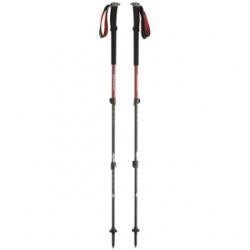
Trekking poles: Trekking poles can reduce the impact on your joints by up to 20%. They are
great for going down Kili! We recommend adjustable Black Diamond trekking poles

Water bladder / bottles: Capacity to carry 3 litres of water. Options: 2 x 1.5 litre wide mouth
nalgene bottles or 2 litre platypus + 1 litre water bottle. Note that disposable plastic bottles are
not permitted on Kilimanjaro

Warm beanie style hat: Go for a version of a beanie that is either knitted or fleeced for extra
warmth. The North Face, Berghaus and Columbia all make good outdoor beanies.

Neck gaiter or scarf: It can get dusty on Kilimanjaro. We recommend bringing a neck gaiter or
bandana. The most versatile options are made by Buff or Hoo-Rag Headwear.

Sun hat: Preferably go for a hat that is wide-brimmed for protection, and has a neck cover if you
aren’t going to be wearing a neck gaiter

Sunglasses: Choose a pair of high UV protection glasses as sun intensity above 4,500m is very
high. Julbo are a great mountain sunglass brand but any brand with high UV protection will
suffice.

Headlamp: You will need a headlamp with good light output for any late night toilet journeys,
and importantly for summit night. Petzl make market-leading and affordable headlamps.

Lightweight Gloves: For lower slopes we recommend lightweight, fleece or quick drying fabric
gloves. Berghaus and The North Face make good lightweight gloves.

Warm gloves or mittens: For the cold nights and for the summit push we recommend
heavyweight, insulated, preferably water resistant gloves. The North Face and Black Diamond
are recommended brands

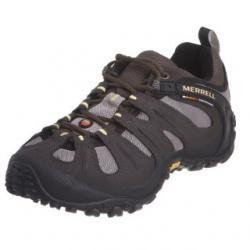
Trekking boots: We recommend using a mid-weight trekking boots with good ankle support.
Recommended brands include: Salomon, Scarpa, Hi-Tec and Merrell.

Training shoes(optional): To wear around camp after a day’s trek we recommend bringing a
pair of training shoes or sandals.

Socks: 3-4 pairs of outer socks and 2-3 pairs of liner socks. We also recommend bringing 1 x
thick thermal socks for summit night. Merino wool is the best material and Bridgedale or
Smartwool make good trekking socks.

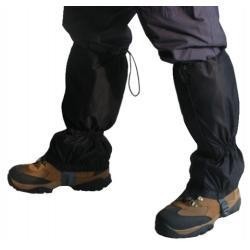
Gaiters: Help keep your trousers clean in wet and muddy or dusty conditions.

Micro-spikes(optional): Not always required, but seasonal conditions may mean that it is icy at
the summit. Micro-spikes fit easily to your boots and give you extra traction. Available to rent in
Tanzania if required.

Thermal base layer: 1 x thermal base layer, ideally made from merino wool. Recommended
brand is Icebreaker.

Short sleeved shirt: 2 x lightweight, moisture wicking short sleeved shirts. Recommend brands
include Icebreaker, Under Armour, Columbia, Berghaus.

Long sleeve shirt: Go for a light or medium weight, moisture wicking long sleeve shirt (x2).
Icebreaker, Berghaus and Under Armour make great breathable trekking shirts.

Fleece or soft shell jacket: A mid-weight polartec fleece jacket is ideal for Kilimanjaro.
Berghaus, Helly Hansen and The North Face all make great fleeces.

Insulated jacket: A good quality and warm down or primaloft jacket is required for the cold
nights and summit push. Recommended brands include The North Face, Rab, Arc’Teryx and
Mountain Hardwear.

Hard shell outer jacket: A water/windproof hard shell outer jacket to protect you from the
elements. Goretex material is best. Recommended brands include The North Face, Arc’teryx,
Berghaus and Mountain Hardwear.

Poncho: It is not uncommon to have occasional prolonged rain showers in the two weeks either
side of the main rainy seasons (April/May and November). A cheap poncho is recommended if
you are trekking during these periods.

Leggings: Thermal or fleece base layer for your legs. Merino wool is preferable. Recommend
brand is Icebreaker.

Trekking trousers: Light or medium weight (x1) trekking trousers. Convertible trousers are an
option. Recommended brands include Craghoppers and Columbia.

Hard shell trousers: To protect yourself from the elements you need a good pair of waterproof /
windproof hard shell trousers. Ideally Goretex. Patagonia, The North Face and Arc’Teryx all
make good outer trousers.

Sun and lip screen: High SPF sunscreen and lip protection balm.

 Toothbrush and toothpaste: Ideally travel size.

Wet wipes and hand sanitizer: Staying clean on Kilimanjaro is a challenge. Wet wipes and
hand sanitizer are a huge help.

Personal medicines and medical kit: Recommend bringing Paracetamol and Imodium at a
minimum.

Ear plugs(optional): For light sleepers. Snoring travels in quiet high altitude camps!

Pee bottle (optional): Useful for the ladies, but not a requirement

Dry bags(optional): Only required if your main duffle bag is not waterproof. Sturdy rubble
sacks will also help keep your kit dry.

Packing cubes(optional): Useful for keeping items organised within your duffle bag.

Camera and spare batterie(optional)s: Unless you are a keen photographer we recommend
taking a good quality and lightweight point and shoot camera like the Panasonic Lumix.

Plug Adapter: A plug adapter for charging your devices in the hotels before and after the trek.
The standard voltage and frequency in Tanzania is 230 V and 50 Hz respectively. The power
sockets that are used are of type D / G.

Personal snacks(optional): Boiled sweets, nuts, energy bars and dried fruit are all a good shout.
Isotonic drink powder to mix in with your water improves flavour and helps replace electrolytes.

Tags :
African Safari,Kilimanjaro
Share This :

The post Kilimanjaro Gear List appeared first on Hekima Safaris.

]]>
https://hekima-safaris.com/blog/new-years-adventure-summiting-kilimanjaro-2-2/feed/ 0
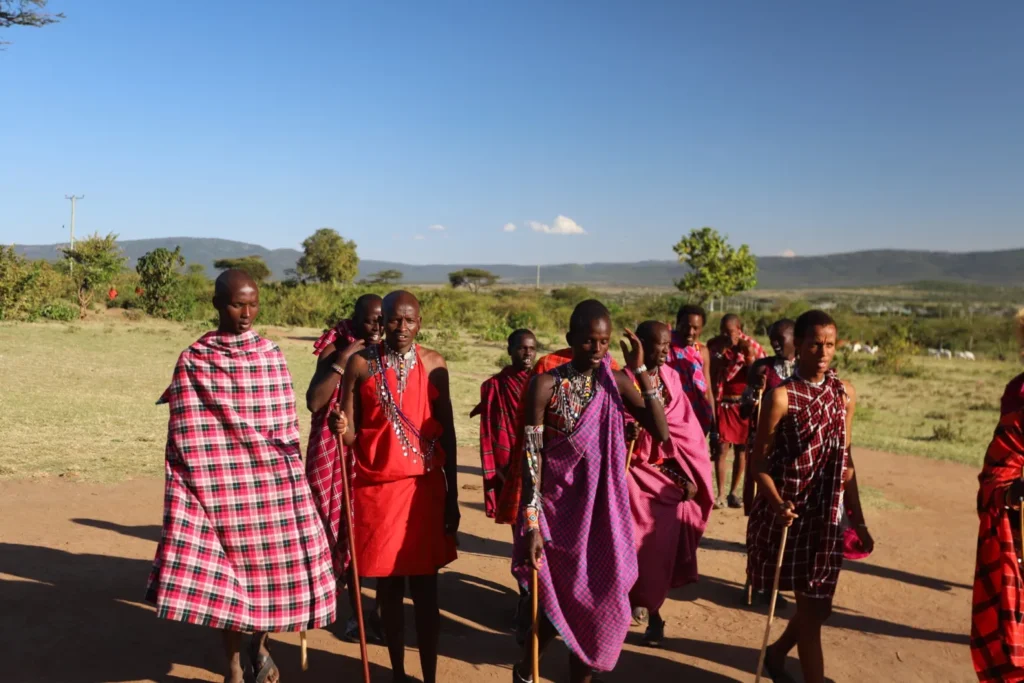
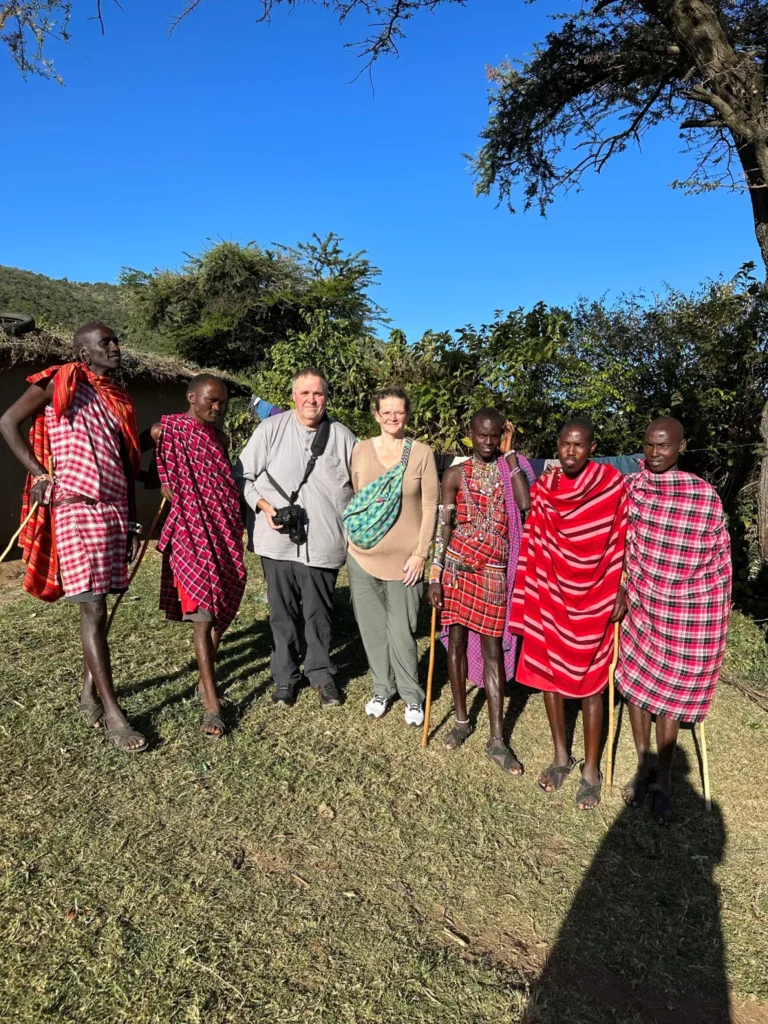
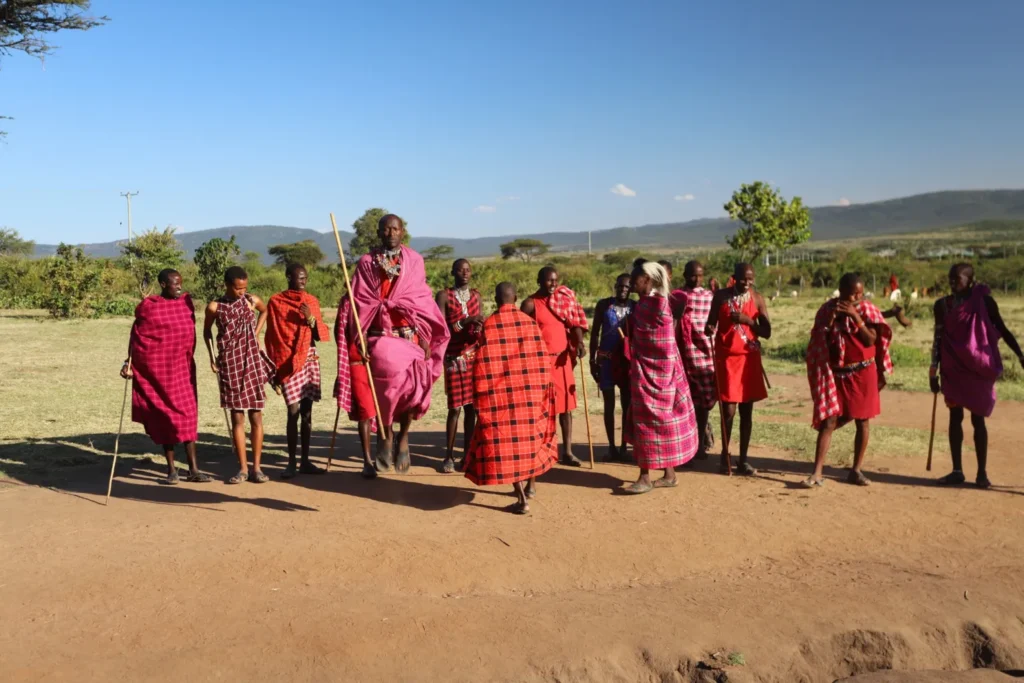
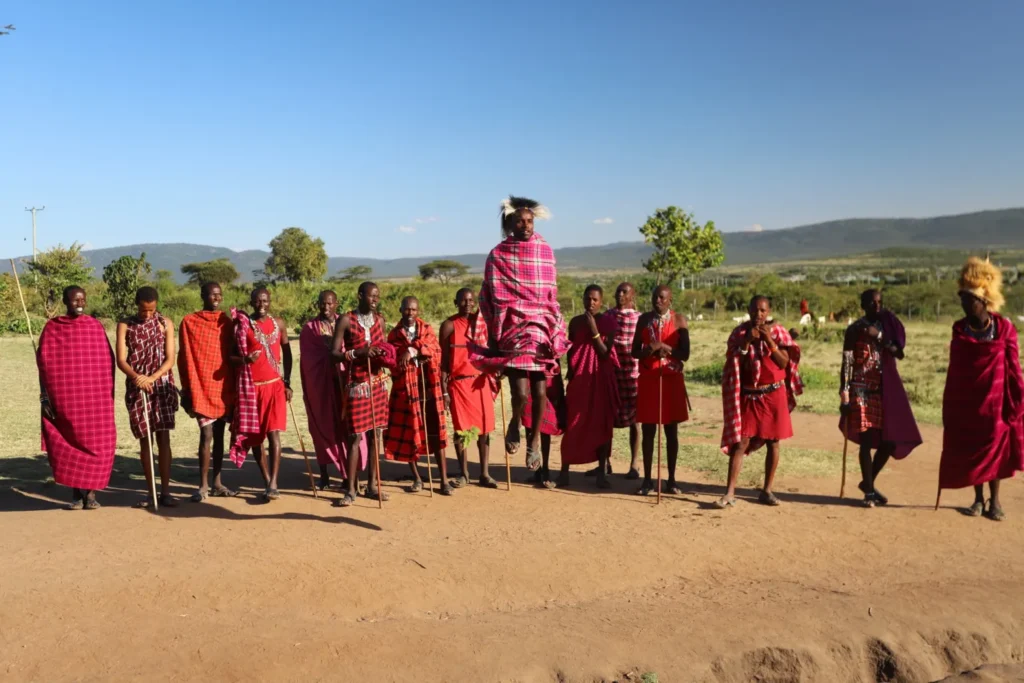
Discovering the Maasai https://hekima-safaris.com/blog/new-years-adventure-summiting-kilimanjaro-2/ https://hekima-safaris.com/blog/new-years-adventure-summiting-kilimanjaro-2/#respond Tue, 15 Oct 2024 12:31:50 +0000 https://hekima-safaris.com/?p=5110 Discovering the Maasai Bookings October 15, 2024 African Safari Nestled in the heart of East Africa, straddling the borders of Kenya and Tanzania, lies a vibrant region renowned for its cultural heritage and stunning landscapes. Here, amidst the expansive savannas and iconic acacia trees, resides the Maasai tribe—a community celebrated for its unique traditions, vivid […]

The post Discovering the Maasai appeared first on Hekima Safaris.

]]>

Discovering the Maasai

African Safari

Nestled in the heart of East Africa, straddling the borders of Kenya and Tanzania, lies a vibrant region renowned for its cultural heritage and stunning landscapes. Here, amidst the expansive savannas and iconic acacia trees, resides the Maasai tribe—a community celebrated for its unique traditions, vivid attire, and profound connection to their ancestral lands.

Understanding the Maasai Identity

The Maasai are a semi-nomadic ethnic group distinguished by their vibrant oral traditions and complex social structures. While they primarily speak the Maa language, many also converse in Swahili and English. Their societal framework is deeply anchored in time-honored customs and beliefs, carefully maintained and passed down through generations.

Traditional Way of Life

Central to Maasai culture is their pastoral lifestyle. Cattle are more than just a livelihood; they are fundamental to Maasai identity and social standing. Serving as a form of currency, a food source, and a status symbol, cattle hold immense significance. Traditionally, the Maasai diet includes meat, milk, and blood, although it has gradually adapted to incorporate modern influences.

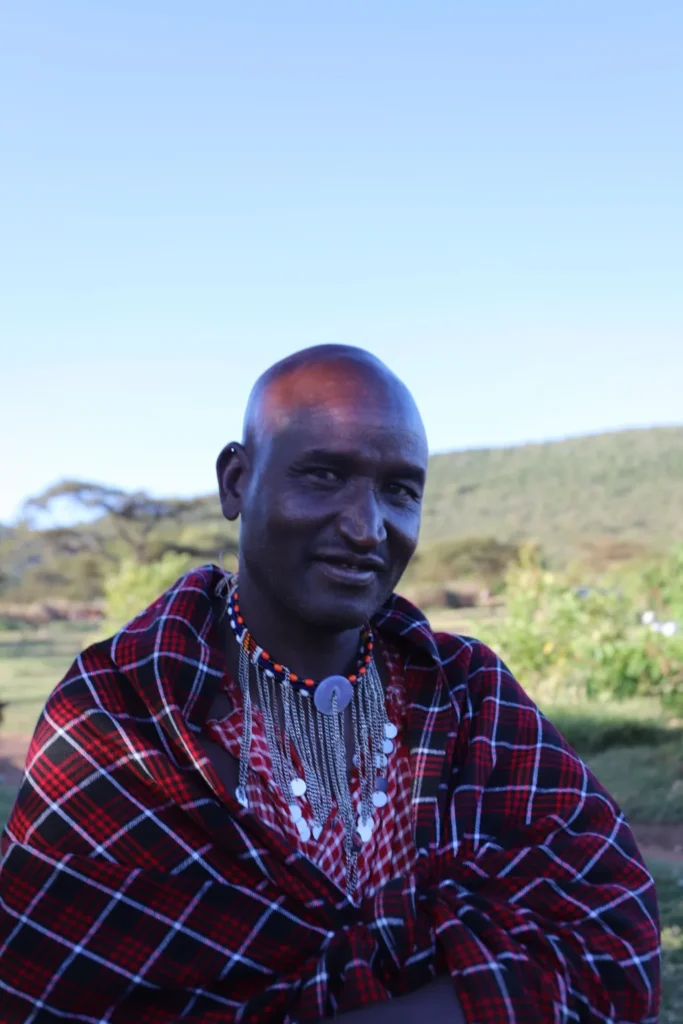
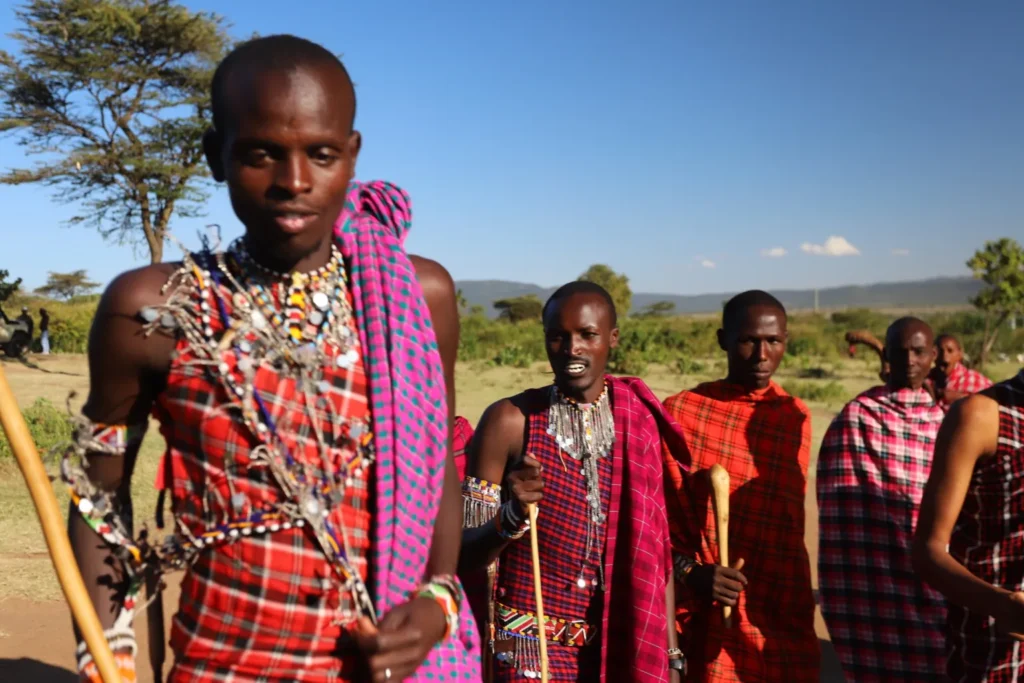
The Maasai are renowned for their intricate beadwork, which goes beyond mere decoration; it embodies rich cultural significance. Various colors and patterns in Maasai beadwork symbolize different aspects of their lives, including social status, age, and achievements.

Social Structure and Traditions

The social structure of the Maasai is organized into clans and age groups, with each individual belonging to a specific group that defines their roles and responsibilities within the community. Young Maasai men, referred to as warriors, undergo intensive training and rituals before being acknowledged as adults. This transition involves rites of passage that mark their readiness to take on adult responsibilities.

Marriage holds great importance in Maasai life, often encompassing intricate negotiations and ceremonies. Polygamy is a common practice, and family bonds are reinforced through elaborate rituals and communal gatherings.

Cultural Expression: Music, Dance, and Rituals

Maasai music and dance are lively and essential forms of cultural expression. Traditional songs frequently reflect their daily experiences, history, and celebrations. Dance, marked by high jumps and rhythmic movements, is showcased during various ceremonies, such as initiations and weddings.

Rituals are a vital part of Maasai life, encompassing events from birth and coming-of-age ceremonies to rites related to death. These rituals are rich in symbolism and are performed to honor ancestors and seek blessings for future generations.

Challenges and Adaptations

Despite their rich cultural heritage, the Maasai face various challenges in today’s world. Rapid population growth, land encroachment, and climate change pose significant threats to their traditional way of life. Additionally, modernization and the pressures of global economic systems have led to shifts in Maasai lifestyles and land usage.

To navigate these changes, efforts are being made to strike a balance between tradition and progress. Many Maasai are increasingly engaging with modern education and healthcare while working to preserve their cultural heritage. Sustainable tourism has also emerged as a means for the Maasai to share their culture with the world while generating income to support their communities.

Preserving the Maasai Legacy

As we celebrate the Maasai tribe, it is vital to acknowledge the resilience and adaptability of their culture. The Maasai exemplify the enduring strength of tradition and community in an ever-changing world. Their vibrant culture not only highlights human diversity but also encourages us to reflect on how we can support and respect indigenous cultures globally.

The Maasai offer a captivating glimpse into a realm where tradition and modernity converge. Their narrative is one of endurance, pride, and a profound connection to the land that has nurtured them for centuries. By learning about and engaging with Maasai culture, we can appreciate their past, present, and the challenges they face as they navigate the future.

In Conclusion

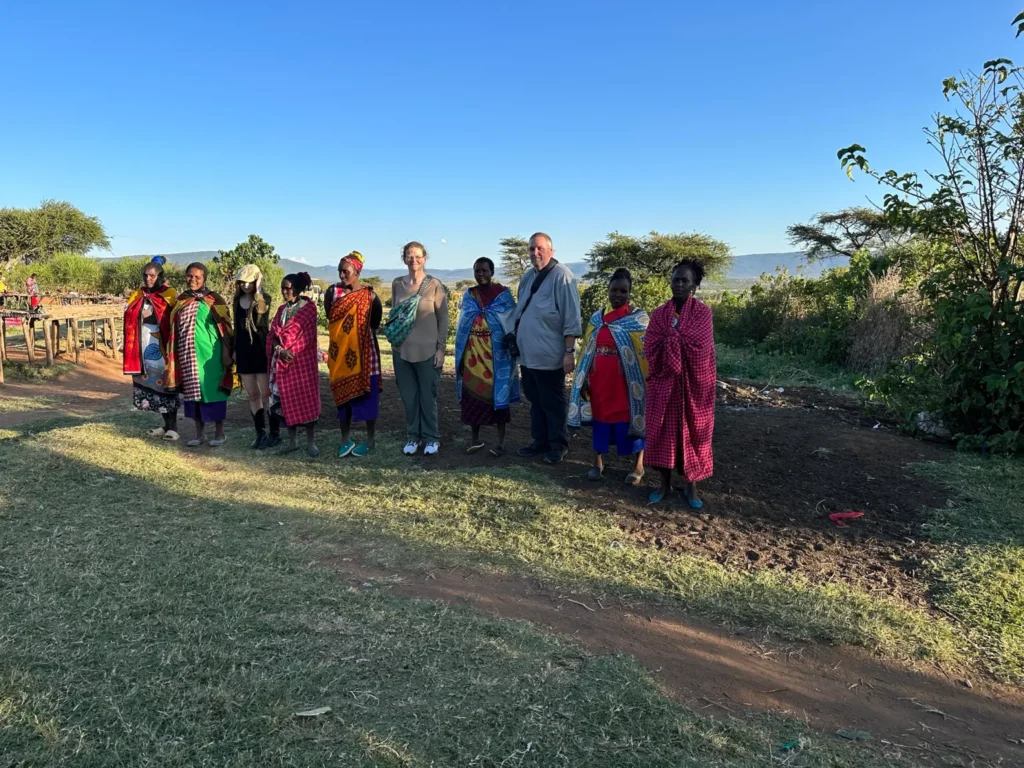
Meeting and spending time with Raphael, the leader of this group of 200 people comprised of 20 families, was a truly enriching experience. We gained insights into their bartering practices and daily life, highlighting that one doesn’t need technology to find happiness. Their simple yet fulfilling way of life serves as a reminder of the beauty found in community and tradition.

Tags :
African Safari,Kilimanjaro
Share This :

The post Discovering the Maasai appeared first on Hekima Safaris.

]]>
https://hekima-safaris.com/blog/new-years-adventure-summiting-kilimanjaro-2/feed/ 0
Embarking on a New Year’s Adventure: Summiting Kilimanjaro for a Spectacular Start to 2024 https://hekima-safaris.com/blog/new-years-adventure-summiting-kilimanjaro/ https://hekima-safaris.com/blog/new-years-adventure-summiting-kilimanjaro/#respond Wed, 20 Dec 2023 06:19:26 +0000 https://hekima-safaris.com/?p=4952 Embarking on a New Year’s Adventure: Summiting Kilimanjaro for a Spectacular Start to 2024 Bookings December 20, 2023 African Safari AT THE PEAK OF THE CONTINENT: WHAT IS IT LIKE TO CELEBRATE NEW YEAR’S EVE ON AFRICA’S HIGHEST MOUNTAIN? What’s your most unforgettable New Year’s Eve experience? With the upcoming new year, you’re likely contemplating […]

The post Embarking on a New Year’s Adventure: Summiting Kilimanjaro for a Spectacular Start to 2024 appeared first on Hekima Safaris.

]]>

Embarking on a New Year’s Adventure: Summiting Kilimanjaro for a Spectacular Start to 2024

African Safari
AT THE PEAK OF THE CONTINENT: WHAT IS IT LIKE TO CELEBRATE NEW YEAR’S EVE ON AFRICA’S HIGHEST MOUNTAIN?

What’s your most unforgettable New Year’s Eve experience? With the upcoming new year, you’re likely contemplating unique ways to commence the year with grandeur. Following the lively Christmas festivities and brimming with good cheer, it’s rejuvenating to venture into an unfamiliar and secluded environment to reflect on the past year and forge plans for the upcoming one. Consider seriously starting 2024 by ascending Kilimanjaro, the tallest mountain in Africa.

Take on the challenge and climb up 5,895 meters. You’ll go through five different climate zones and celebrate the new year on the Roof of Africa. This once-in-a-lifetime journey will surely make you see yourself and the world in a whole new way.

New Year's Adventure: Summiting Kilimanjaro for a Spectacular Start to 2024

ABOUT KILIMANJARO

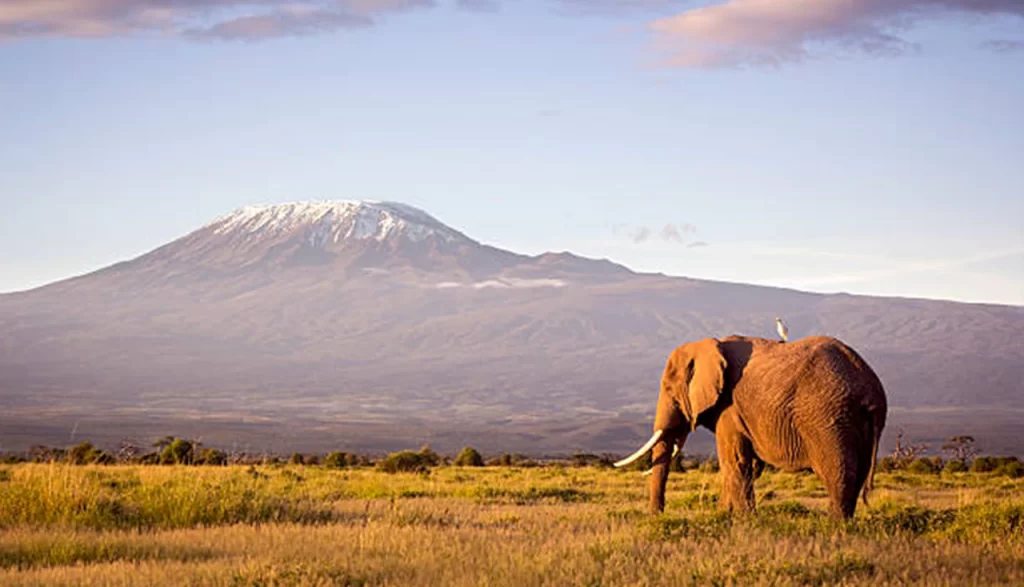
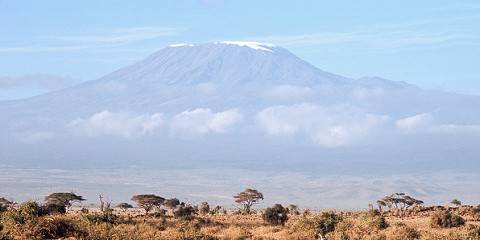
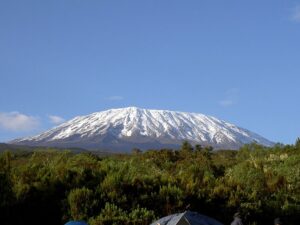
Kilimanjaro, located in Tanzania, is a famous mountain that’s a dormant volcano. Don’t worry, though – the last big eruption happened hundreds of thousands of years ago. Besides being the tallest mountain in Africa, it’s also the highest free-standing mountain globally, meaning it’s not part of a mountain range. Picture yourself welcoming the new year in 2024 at its peak, watching the sunrise over the stunning plains below.

Mount Kilimanjaro is made up of three volcanoes – Shira, Mawnzi, and Kibo. Climbing it feels like stepping into a nature documentary. With five distinct ecosystems, you’ll experience a unique adventure, from hiking through an untouched rainforest to seeing lava towers and exotic animals. You might even meet and chat with indigenous tribes people on the mountain. All this while you’re walking above the clouds, gazing down at the lush savanna below.

MT. KILIMANJARO DIFFICULTY

Climbing Mt. Kilimanjaro usually takes five to 11 days, depending on the route. There are seven established routes, each with varying length, difficulty, and views. If you prefer a somewhat easier route with a good chance of reaching the summit, consider the Lemosho Route. It has a more gradual climb, making it suitable for those who may not be experienced climbers but still dream of welcoming the new year from the top of the world.

Why You Should Climb Kilimanjaro This New Year’s Eve

Embracing the unknown is a chance to start fresh, with new possibilities and a different outlook. The beginning of the year is a great time to challenge yourself to achieve something you’ve never done before. Climbing the highest free-standing mountain on earth for a few days is a significant accomplishment, and that’s what makes it appealing. Finding something new and inspiring for the year ahead—whether it’s trying new food, immersing yourself in a fascinating culture, or marveling at amazing wildlife and landscapes—climbing Kilimanjaro is a chance to shake up your New Year and kick-start an exciting year from the summit. After all, isn’t that what New Year’s resolutions are really about?
 
Consider trying something different for a change—New Year celebrations often include fireworks, music, and feasting with loved ones. While there’s nothing wrong with starting your year this way, it might be refreshing to break from the usual routine just this once. Who knows, you might enjoy the experience so much that you decide to make it a tradition for the next New Year’s Eve.
Climbing Mount Kilimanjaro is a meaningful way to begin the new year. During your trek, you’ll be joined by guides and porters. For these individuals, mountain climbs are a way to make a living, and taking part in this trek is a great way to help support them and their families. By doing this, you start the new year by bringing smiles to people’s faces. The sense of fulfillment that usually comes afterward makes the experience truly worthwhile.
 
Reward yourself—you’ve accomplished something incredible by conquering Africa’s highest peak, so why not indulge your tired body with a relaxing beach weekend in Zanzibar?
 
If standing on the top of Kilimanjaro has always been a dream, why not make it happen before the year ends? Make 2024 a memorable year by climbing the tallest free-standing mountain in the world. To start or find out more about the current cost, accommodation options, and preparation tips, contact us today.
 
Ready for the adventure of climbing Mt. Kilimanjaro? Explore these tour options just for you!
Tags :
African Safari,Kilimanjaro
Share This :

The post Embarking on a New Year’s Adventure: Summiting Kilimanjaro for a Spectacular Start to 2024 appeared first on Hekima Safaris.

]]>
https://hekima-safaris.com/blog/new-years-adventure-summiting-kilimanjaro/feed/ 0
Discover the ultimate month for conquering Kilimanjaro! https://hekima-safaris.com/blog/discover-the-ultimate-month-for-conquering-kilimanjaro/ https://hekima-safaris.com/blog/discover-the-ultimate-month-for-conquering-kilimanjaro/#respond Wed, 13 Dec 2023 11:51:38 +0000 https://hekima-safaris.com/?p=4856 Discover the ultimate month for conquering Kilimanjaro! Bookings December 13, 2023 African Safari Kilimanjaro Picking the best time to climb Mount Kilimanjaro involves weighing various factors like temperature, scenic views, trek traffic, difficulty, and safety. Yet, the big game-changer influencing all these elements is the weather. Unlike places with distinct seasons, Kilimanjaro dances to the […]

The post Discover the ultimate month for conquering Kilimanjaro! appeared first on Hekima Safaris.

]]>

Discover the ultimate month for conquering Kilimanjaro!

African Safari
Kilimanjaro Picking the best time to climb Mount Kilimanjaro involves weighing various factors like temperature, scenic views, trek traffic, difficulty, and safety. Yet, the big game-changer influencing all these elements is the weather. Unlike places with distinct seasons, Kilimanjaro dances to the rhythm of just two: wet and dry. Picture rain in April-May and November, but predicting it precisely is as tricky as catching a breeze. The rest of the months fall into the “dry season,” promising mostly sunny days, though not a foolproof guarantee for clear skies.
 

The prime climbing windows for Mount Kilimanjaro are July-August-September and January-February, aligning perfectly with summer and Christmas holidays for many travelers. These periods boast ideal weather conditions, attracting climbers seeking a flawless ascent.

Conversely, the rainy seasons in April, May, and November deter the majority of climbers. The high likelihood of trekking through drizzle poses challenges as rain softens the soil and makes rocks slippery, transforming the climb into a slower and riskier adventure. Despite this, landscape photographers relish Tanzania’s rainy season, capturing the snow-capped peak of Kilimanjaro amidst increased precipitation. It’s a unique opportunity to enjoy privacy on the trails, free from the usual “rush hours.”

The best time to climb Kilimanjaro depends on your preferences and tolerance for weather conditions. Here’s a breakdown of each season:

Planning Your Kilimanjaro Climb!

April-May:
– The “big” rainy season starts, and it’s the coldest period in Tanzania.
– Fewer climbers but a high chance of rain.

June-July:
– Rain frequency decreases; the weather is dry and clear.
– Nights remain cold, but June is quiet, sunny, and underrated for climbing.
– Routes are almost private in June, but July sees increased climbing activity.

August-September:
– Peak climbing season with excellent weather.
– Clear days and somewhat warmer temperatures.
– Rain possible in the forest/moorland zone and southern routes.

October:
– Nice weather conditions persist into mid-October.
– Fewer climbers, offering a chance for a more solitary trek.

November:
– “Small” rainy season, lasting into mid-December.
– Misty and challenging climb, but exciting with breathtaking views.

December-January:
– Second busiest climbing season.
– High traffic, chance of rain, and thick clouds at lower altitudes.

Mid-January to Mid-March:
– Popular period with balanced weather.
– Generally dry days, occasional rain, and comfortable temperatures.

Second Half of March:
– Rain possibility increases as the “big rains” season approaches.

Ultimately, choosing the best time depends on your priorities, whether it’s quieter trails, challenging weather, or a balance between dry conditions and manageable traffic.

The temperature on Mount Kilimanjaro varies across its four distinct climatic zones:

Kilimanjaro trekking expeditions

1. Rainforest Zone (800m-3,000m):
   – Warm and humid.
   – Densely covered with green vegetation.
   – Temperatures average 12-15 °C (20-25 °C during daytime) at 2,900m.
   – Initial one or two days of the climb are spent here, depending on the route.

2. Low Alpine Zone (3,000m-4,200m):
   – Semi-arid area.
   – Vegetation becomes scarcer with altitude.
   – Temperatures range 5-10 °C (15-20 °C during the daytime) at 3,600m.
   – One or two days spent here, depending on the route.

3. High Alpine Zone (4,200m-5,000m):
   – Desert-like environment.
   – Fourth and fifth days of the climb, including final preparations for summiting.
   – Temperatures average around freezing point at 5,000m.
   – Daytime temperatures are warm and comfortable when the sun is shining.

4. Glacial Zone (Above 5,000m – Summit):
   – Summit temperatures average around -6 °C.
   – Summit attempts typically start at midnight to reach Uhuru peak by dawn.
   – Nighttime temperatures during the ascent can drop to -20°C, with wind gusts making it feel below -40 °C.
   – Enduring the cold is rewarded with an awe-inspiring view of the sunrise from the top.

Helpful Tips on Kilimanjaro Weather

Kilimanjaro Climbing Safaris

Let’s spill the beans on Kilimanjaro’s weather quirks. Maybe you’re choosing a less-than-perfect time to climb—whether to dodge the crowd chaos or because it’s your only holiday slot. If so, say hello to the Northern Circuit Route or the Rongai Route. The north side of the mountain is a dry haven compared to other paths. And if you’re all about primo weather but loathe crowds, listen up. Route selection is your superpower. Rongai, Lemosho, and Northern Traverse Routes have way fewer footprints than the ever-bustling Machame and Marangu routes.

Hey there! 🌟 At Hekima Safaris, we’re total believers that Kilimanjaro is like a year-round magic show! 🎩✨ The secret sauce? Ready? It’s all about being prepared. In September, just one set of thermal underwear, Gore-Tex membrane gaiters, and boots are your gear MVPs. ⚡️ Fast forward to November, and guess what? You’re gonna need three sets of each! 🧤👢 Just in case, you know? We’re here to make sure your climb is epic, rain or shine! 🌧️☀️ Count on us at Hekima Safaris to turn your Kilimanjaro adventure into a masterpiece of a lifetime! 🚀🏔️

Tips for Avoiding Crowds on Your Expedition

1. Optimal Days for Exploration
To steer clear of crowded conditions, we recommend initiating your journey on either Wednesday or Tuesday. Our analysis over the past three years indicates that these days experience half the usual crowd compared to the rest of the week.

2. Selecting the Remote Rongai Route
Opt for the less-traveled Rongai route, which witnesses eight times fewer climbers than popular alternatives like Machame or Marangu. Keep in mind that while this route merges with Marangu near the Summit Camps area, the descent also follows the Marangu path, ensuring a crowd-free ascent.

3. Strategic Timing to Avoid Peak Seasons
Dodge the peak seasons of July to September and January to February. Instead, plan your climb just before or after the high season, such as the early part of March, the beginning of June, or the end of October. During these periods, the weather remains favorable, but the trails are significantly less crowded.

Tags :
African Safari,Kilimanjaro
Share This :

The post Discover the ultimate month for conquering Kilimanjaro! appeared first on Hekima Safaris.

]]>
https://hekima-safaris.com/blog/discover-the-ultimate-month-for-conquering-kilimanjaro/feed/ 0
5 Essential Tips for Families Planning an Unforgettable African Safari Adventure https://hekima-safaris.com/blog/5-essential-tips-for-families-planning-an-unforgettable-african-safari-adventure/ https://hekima-safaris.com/blog/5-essential-tips-for-families-planning-an-unforgettable-african-safari-adventure/#respond Mon, 24 Jul 2023 12:47:13 +0000 https://hekima-safaris.com/?p=4794 5 Essential Tips for Families Planning an Unforgettable African Safari Adventure Bookings July 24, 2023 African Safari Essential Tips for Families Planning an Unforgettable African Safari Adventure Are you and your family yearning for an extraordinary adventure that will create cherished memories? Planning a safari trip together promises an exhilarating and immersive experience, bringing you […]

The post 5 Essential Tips for Families Planning an Unforgettable African Safari Adventure appeared first on Hekima Safaris.

]]>
5 Essential Tips for Families Planning an Unforgettable African Safari Adventure

African Safari
Families Planning an Unforgettable African Safari Adventure

Essential Tips for Families Planning an Unforgettable African Safari Adventure

Are you and your family yearning for an extraordinary adventure that will create cherished memories? Planning a safari trip together promises an exhilarating and immersive experience, bringing you face-to-face with nature’s most magnificent creatures. To ensure your safari journey is nothing short of exceptional, here are five personalized tips to help your family plan an unforgettable safari adventure.

  1. Choose the Perfect Safari Destination: With a myriad of awe-inspiring safari destinations to choose from, finding the one that aligns with your family’s interests and preferences is crucial. Whether it’s the vast savannas of the Serengeti, the lush Okavango Delta in Botswana, or the diverse landscapes of South Africa’s Kruger National Park, each location offers distinct wildlife sightings and unique experiences. Consider what type of wildlife you’d love to encounter and what activities would enthrall your family the most when selecting the perfect safari destination.
  2. Involve the Whole Family in Packing Essentials: Packing for a safari adventure can be both exciting and essential to ensure everyone’s comfort and safety. Make it a family affair by involving your kids in the packing process. Encourage them to pack their safari gear, such as comfortable clothing in earth-toned colors, wide-brimmed hats, and sturdy walking shoes. Don’t forget to pack their favorite safari-themed books and binoculars to ignite their curiosity and make the journey even more engaging.
  3. Tailor Activities for the Little Adventurers: A safari trip is an excellent opportunity for children to connect with nature and learn about wildlife conservation. Consider choosing camps or lodges that offer child-friendly activities, such as guided nature walks, interactive learning sessions, and shorter game drives specially designed for young explorers. By incorporating activities that cater to their interests and attention spans, you’ll ensure they remain captivated throughout the safari adventure.
  4. Embrace the Spirit of Adventure: Encourage your family to embrace the spirit of adventure fully. Engage in outdoor games, storytelling sessions under the starlit skies, and guided stargazing experiences. Create cherished memories by sharing moments of awe as you witness the wonders of the wild together. Remind each other that this safari journey is a unique opportunity to disconnect from the digital world and connect with nature and one another.
  5. Stay Connected with the Local Culture: To truly immerse yourselves in the safari experience, take time to learn about and respect the local culture. Engage with the native communities, interact with local guides, and gain insights into their traditions and way of life. By doing so, you and your family will gain a deeper appreciation for the natural wonders and cultural richness of the safari destination.

As you embark on this extraordinary journey with your loved ones, remember that a well-planned safari adventure caters to everyone’s interests and allows for unique bonding experiences amidst the wilderness. By choosing the perfect safari destination, involving the whole family in packing essentials, tailoring activities for the little ones, embracing the spirit of adventure, and staying connected with the local culture, your family safari trip is sure to become an indelible chapter in your collective travel story. So, pack your bags, set your hearts on exploration, and get ready for an awe-inspiring family safari adventure like no other!

Tags :
African Safari
Share This :

The post 5 Essential Tips for Families Planning an Unforgettable African Safari Adventure appeared first on Hekima Safaris.

]]>
https://hekima-safaris.com/blog/5-essential-tips-for-families-planning-an-unforgettable-african-safari-adventure/feed/ 0
7 tips to how you can see Rare and Beautiful Birds https://hekima-safaris.com/blog/how-you-can-see-rare-and-beautiful-birds/ https://hekima-safaris.com/blog/how-you-can-see-rare-and-beautiful-birds/#respond Mon, 17 Jul 2023 13:46:01 +0000 https://hekima-safaris.com/?p=4780 7 tips to how you can see Rare and Beautiful Birds Bookings July 17, 2023 African Safari How you can see Rare and Beautiful Birds Welcome to the enchanting world of birdwatching on safari! If you’re an adventurer with a passion for discovering rare and stunning avian species, you’re in for a treat. In this article, we […]

The post 7 tips to how you can see Rare and Beautiful Birds appeared first on Hekima Safaris.

]]>
7 tips to how you can see Rare and Beautiful Birds

African Safari
how you can see Rare and Beautiful Birds

How you can see Rare and Beautiful Birds

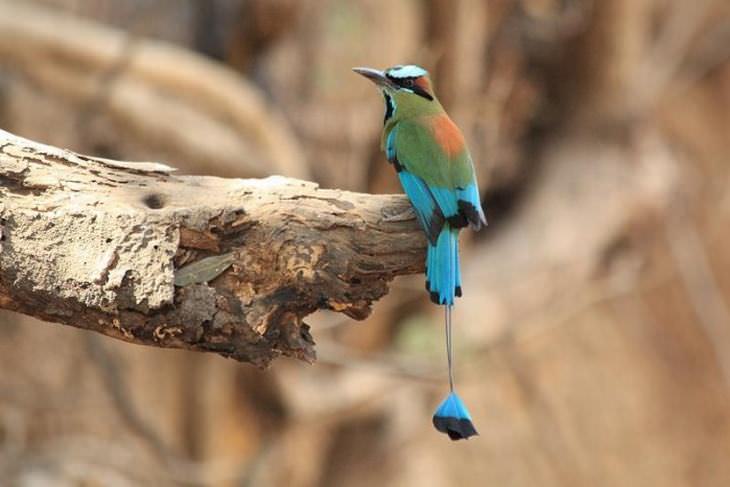
Welcome to the enchanting world of birdwatching on safari! If you’re an adventurer with a passion for discovering rare and stunning avian species, you’re in for a treat. In this article, we will provide you with seven essential tips to enhance your chances of spotting these elusive and beautiful birds during your safari trip. 

Whether you’re a beginner or an experienced birdwatcher, these tips will equip you with the knowledge and skills necessary to spot those rare and beautiful birds that many only dream of encountering.  So, grab your binoculars, embrace the thrill of discovery, and let’s dive into the wonderful realm of birdwatching on safari!

Tip #1: Go during the right season

The time of year you go on safari can have a big impact on the types of birds you’ll see. Some birds are only active during certain seasons, so if you want to see them, you’ll need to time your trip accordingly.

For example, if you’re interested in seeing flamingos, you’ll want to go to Africa during the dry season. This is when the flamingos gather in large numbers in shallow lakes and wetlands.

Tip #2: Choose the right destination

There are many different places around the world where you can go birdwatching, but some destinations are better than others for seeing rare and beautiful birds.

If you’re looking for a specific type of bird, you’ll need to do some research to find out where they’re most likely to be found. For example, if you’re interested in seeing parrots, you might want to go to South America or Australia.

Tip #3: Bring the right gear

If you want to see as many birds as possible on your safari trip, you’ll need to bring the right gear. This includes binoculars, a camera with a good zoom lens, and a field guide to the birds of the region you’re visiting.

Binoculars are essential for getting a close-up look at birds, and a camera with a good zoom lens will help you capture their beauty. A field guide will help you identify the different types of birds you see, and it can also be a valuable resource for learning about their behaviors and habitats.

Tip #4: Be patient

Birdwatching can be a very patient sport. It’s not always easy to spot birds, and even when you do, they may not stay still for long. So be prepared to spend some time waiting for the perfect shot.

If you’re patient, you’ll be rewarded with some amazing sightings. You might even see a rare bird that you’ve never seen before.

Tip #5: Hire a guide

If you’re not familiar with the area you’re visiting, hiring a guide can be a great way to increase your chances of seeing rare and beautiful birds. A guide will know where to look for birds, and they can also help you identify the different species you see.

Tip #6: Be respectful of the environment

When you’re birdwatching, it’s important to be respectful of the environment. This means staying on designated trails, not disturbing the birds, and disposing of your waste properly.

By following these simple guidelines, you can help to protect the birds and the habitats they depend on.

Tip #7: Have fun!

Birdwatching is a great way to get outdoors and enjoy nature. So relax, take your time, and enjoy the experience. You might just be surprised at what you see.

You may dramatically boost your chances of finding uncommon and beautiful birds during your safari journey by following the seven useful advice offered in this blog. Each advice leads to a more interesting and effective birdwatching adventure, from choosing the correct places and using professional help to using birding gear and practising patience. Remember that the world of bird delights awaits you, where vivid plumages and captivating melodies blend in perfect harmony. So embrace the thrill, open your eyes and ears to nature’s treasures, and go on an unforgettable safari excursion filled with breathtaking encounters with rare and beautiful birds. Happy birdwatching!. Join Our groups

Tags :
African Safari
Share This :

The post 7 tips to how you can see Rare and Beautiful Birds appeared first on Hekima Safaris.

]]>
https://hekima-safaris.com/blog/how-you-can-see-rare-and-beautiful-birds/feed/ 0
How to experience the wild on your safari trip https://hekima-safaris.com/blog/how-to-experience-the-wild-on-your-safari-trip/ https://hekima-safaris.com/blog/how-to-experience-the-wild-on-your-safari-trip/#respond Thu, 13 Jul 2023 06:49:49 +0000 https://hekima-safaris.com/?p=4755 How to experience the wild on your safari trip Bookings July 13, 2023 African Safari A safari trip is a gateway to experiencing the untamed wonders of nature in all their glory. It’s a chance to step out of your comfort zone and venture into the heart of the wilderness. To truly immerse yourself in […]

The post How to experience the wild on your safari trip appeared first on Hekima Safaris.

]]>
How to experience the wild on your safari trip

African Safari
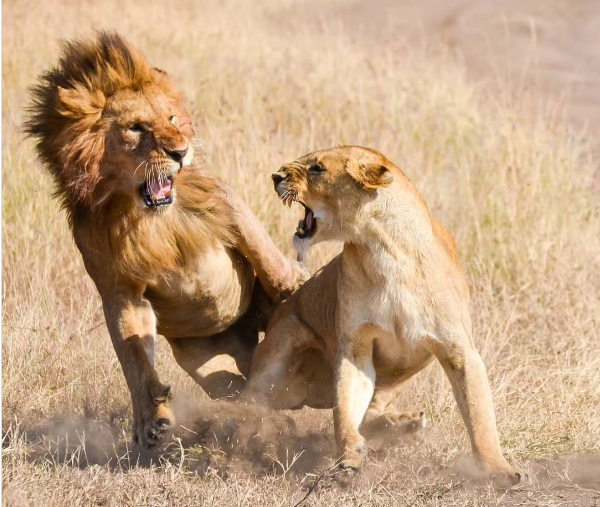
Lions mating

A safari trip is a gateway to experiencing the untamed wonders of nature in all their glory. It’s a chance to step out of your comfort zone and venture into the heart of the wilderness. To truly immerse yourself in the wild, preparation is key. Researching your destination, understanding the local wildlife, and learning about the best times to visit are crucial for maximizing your safari experience. Once you’re on the ground, being patient and observant is vital. From the gentle rustle of grass as a herd of zebras pass by to the echoing calls of a troop of baboons, paying attention to the subtle signs of nature will allow you to fully embrace the wild. Remember, a safari isn’t just about ticking off the Big Five; it’s about connecting with the ecosystem, respecting the animals, and cultivating a deep appreciation for the intricate web of life that exists in the wild.

A safari is a once-in-a-lifetime experience that allows you to see some of the most amazing animals in the world in their natural habitat. Whether you’re a seasoned traveler or a first-timer, there are a few things you can do to make sure you have the best possible experience on your safari trip.

Choose the right safari destination.

There are many different safari destinations to choose from, each with its own unique wildlife and scenery. Some popular options include:

  • Africa: Africa is home to some of the most iconic safari animals, such as lions, elephants, and zebras. There are many different safari destinations in Africa, each with its own unique character.
  • Asia: Asia is home to a variety of wildlife, including tigers, rhinos, and monkeys.
  • South America: South America is home to jaguars, tapirs, and monkeys. 

Do your research.

Once you’ve chosen a safari destination, it’s important to do your research and learn as much as you can about the area. This will help you make the most of your trip and ensure that you’re prepared for what to expect.

Book your safari in advance.

Safaris can be popular, so it’s important to book your trip in advance. This will ensure that you get the dates and accommodations you want.

Pack the right gear. 

Depending on the time of year and the safari destination, you’ll need to pack different gear. Some essentials include:

  • A comfortable pair of shoes: You’ll be doing a lot of walking on your safari, so it’s important to have comfortable shoes that will support your feet.
  • A hat and sunglasses: The sun can be strong in the safari, so it’s important to protect yourself from the elements.
  • A camera: You’ll want to capture all of your memories on camera, so make sure you pack a good camera.
  • Binoculars: If you want to get a closer look at the animals, binoculars are a must-have.
  • Sunscreen: The sun can be strong in the safari, so it’s important to protect yourself from the elements.
  • Insect repellent: Mosquitoes can be a problem in some safari destinations, so it’s important to pack insect repellent.

Be respectful of the animals.

Remember that you’re visiting the animals’ home, so it’s important to be respectful of them. Don’t try to touch the animals or get too close to them.

Enjoy the experience! A safari is a once-in-a-lifetime experience, so make sure you enjoy it! Be present in the moment and take the time to appreciate all of the amazing things you’re seeing.

Tags :
African Safari
Share This :

The post How to experience the wild on your safari trip appeared first on Hekima Safaris.

]]>
https://hekima-safaris.com/blog/how-to-experience-the-wild-on-your-safari-trip/feed/ 0
Safaris for Couples Who Want to Getaway https://hekima-safaris.com/blog/safaris-for-couples-who-want-to-getaway/ https://hekima-safaris.com/blog/safaris-for-couples-who-want-to-getaway/#respond Thu, 06 Jul 2023 11:47:55 +0000 https://hekima-safaris.com/?p=4745 Safaris for Couples Who Want to Getaway Bookings July 6, 2023 African Safari African safaris offer a unique blend of adventure, breathtaking landscapes, and unparalleled wildlife encounters that make them an ideal choice for couples seeking a truly special experience. Imagine waking up to the mesmerizing sound of birdsong, hand-in-hand with your loved one, as […]

The post Safaris for Couples Who Want to Getaway appeared first on Hekima Safaris.

]]>
Safaris for Couples Who Want to Getaway

African Safari
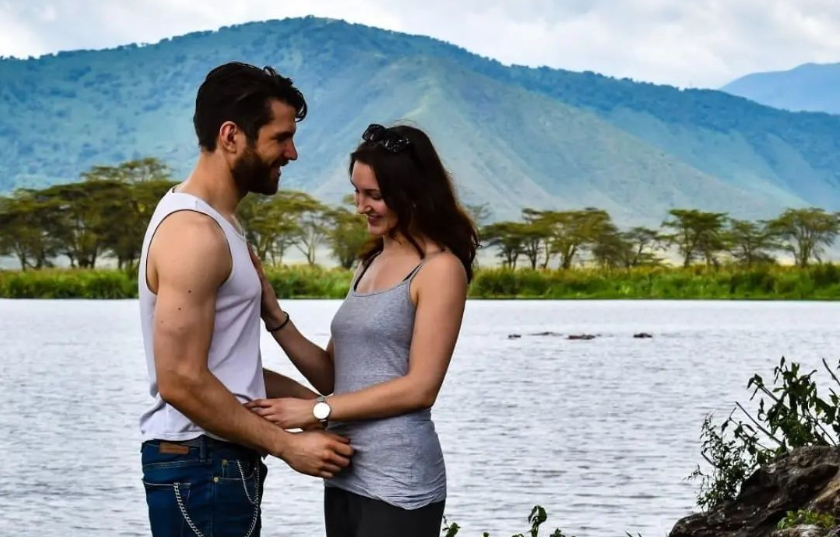
Couples hugging

African safaris offer a unique blend of adventure, breathtaking landscapes, and unparalleled wildlife encounters that make them an ideal choice for couples seeking a truly special experience. Imagine waking up to the mesmerizing sound of birdsong, hand-in-hand with your loved one, as you embark on a thrilling safari expedition together. Africa’s vast wilderness provides the perfect backdrop for creating unforgettable memories and deepening your bond.

To ensure the most magical experience on your couples’ safari, it’s crucial to choose the right time to visit. The timing will depend on the specific destination you have in mind, as different regions of Africa have distinct seasons. Generally, the dry season is recommended for wildlife viewing, as animals tend to gather around water sources, making them easier to spot. However, some couples may prefer the lush green landscapes of the rainy season, which can be equally enchanting.

Top Destinations for Couples’ Safaris

  • Serengeti National Park, Tanzania

The Serengeti National Park is a world-renowned safari destination that offers an unrivaled wildlife spectacle, especially during the Great Migration. Picture yourself and your partner surrounded by vast herds of wildebeest, zebras, and gazelles as they traverse the Serengeti plains. The park also boasts luxury lodges and camps that provide the perfect romantic retreat amidst the wilderness.

  • Okavango Delta, Botswana

The Okavango Delta is a paradise for couples seeking a tranquil and intimate safari experience. This unique ecosystem, characterized by winding waterways and lush islands, teems with a remarkable variety of wildlife. Embark on a mokoro (traditional canoe) ride with your loved one, gliding through the tranquil waters while being serenaded by the sounds of nature.

  • Masai Mara National Reserve, Kenya

Renowned for its exceptional wildlife sightings, the Masai Mara National Reserve offers couples the chance to witness the annual wildebeest migration, an awe-inspiring event that showcases nature’s grandeur. Imagine capturing this magnificent phenomenon alongside your partner, creating memories that will last a lifetime. Additionally, the reserve is home to luxurious tented camps!

  • Kruger National Park, South Africa

Kruger National Park is a premier destination for couples seeking a blend of remarkable wildlife encounters and luxurious accommodations. The park is home to the Big Five (elephant, lion, rhinoceros, leopard, and buffalo) along with an array of other fascinating species. Embark on thrilling game drives together, immersing yourselves in the wonders of the African bush. After a day of exploration, unwind in a private lodge, indulging in fine dining and relaxation.

Choosing the Right Accommodation for a Romantic Safari

Selecting the perfect accommodation is essential to enhance the romantic ambiance of your African safari. Consider opting for intimate lodges or tented camps that offer privacy, stunning views, and personalized services. Many lodges provide secluded suites or luxury tents with private plunge pools or outdoor showers, allowing you to immerse yourselves in the natural beauty of Africa while enjoying the comforts of a lavish retreat.

Unforgettable Safari Activities for Couples

To make your couples’ safari truly extraordinary, partake in these unforgettable activities:

  • Hot Air Balloon Safaris

Soar above the breathtaking landscapes of Africa during a hot air balloon safari. Experience the sheer romance of floating above the savannah, witnessing the sunrise and wildlife from a unique perspective. Toast to your love with a glass of champagne as you create cherished memories that will stay with you forever.

  • Sundowner Game Drives

Embark on a romantic sunset game drive, where you can marvel at the African sunset painting the sky with vibrant hues while spotting wildlife in their natural habitat. Enjoy a sundowner drink and watch as the beauty of nature unfolds before your eyes, creating an atmosphere of pure enchantment.

  • Bush Dinners under the Stars

Indulge in a private dinner under the starlit African sky, surrounded by the sounds of the wilderness. Delight in gourmet cuisine prepared by expert chefs, accompanied by the gentle flickering of lanterns and the crackling of a campfire. This intimate dining experience will undoubtedly be a highlight of your romantic safari.

  • Capturing Memories: Photography Tips for Couples on Safari
  • Preserve the magic of your couples’ safari with stunning photographs. Here are a few tips to help you capture those special moments:
  • Invest in a quality telephoto lens to capture wildlife in detail.
  • Experiment with different angles and perspectives to add variety to your shots.
  • Capture the connection between you and your partner against the backdrop of the African landscape.
  • Take advantage of the golden hour—early morning or late afternoon—for soft, warm lighting.
  • Practice patience and be ready to seize spontaneous and candid moments.

Preparing for Your Romantic African Safari

Before embarking on your romantic African safari, make sure to:

  • Consult with a travel professional to plan a personalized itinerary that suits your preferences.
  • Pack comfortable and lightweight clothing suitable for both warm days and cool evenings.
  • Bring essential items such as sunscreen, insect repellent, a hat, and sturdy walking shoes.
  • Familiarize yourself with the local customs and etiquette to show respect for the local culture.
  • Prepare a checklist of necessary travel documents, including passports and any required visas.

Conclusion

Embarking on an African safari as a couple is an unparalleled experience that combines adventure, romance, and the wonders of the wild. From the vast plains of the Serengeti to the tranquil waters of the Okavango DeltaAfrica offers a multitude of destinations and activities tailored to create cherished memories with your loved one.

Tags :
African Safari
Share This :

The post Safaris for Couples Who Want to Getaway appeared first on Hekima Safaris.

]]>
https://hekima-safaris.com/blog/safaris-for-couples-who-want-to-getaway/feed/ 0
A day in the life of a safari guide https://hekima-safaris.com/blog/life-of-a-safari-guide/ https://hekima-safaris.com/blog/life-of-a-safari-guide/#respond Fri, 23 Jun 2023 07:12:11 +0000 https://hekima-safaris.com/?p=4293 A day in the life of a safari guide Bookings June 23, 2023 African Safari Have you ever wondered what it’s like to be a safari guide, immersed in the untamed beauty of Africa’s wilderness? Join us on an exciting journey as we explore a typical day in the life of a safari guide, where […]

The post A day in the life of a safari guide appeared first on Hekima Safaris.

]]>
A day in the life of a safari guide

African Safari
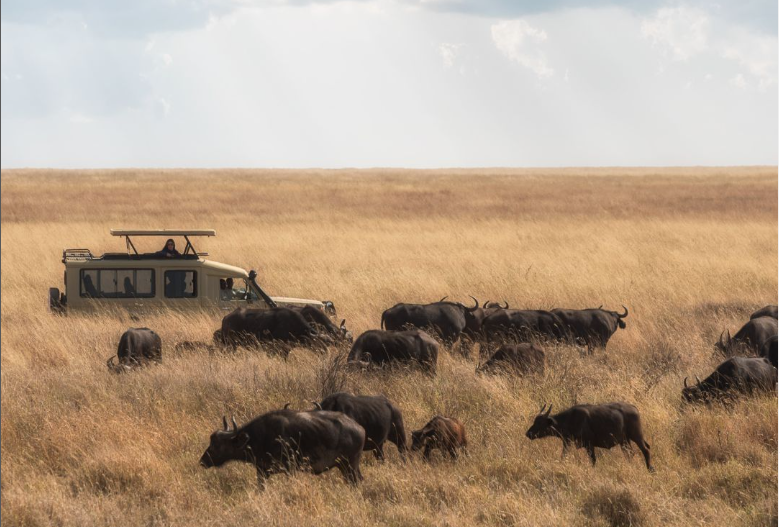
A day in the life of a safari guide

Have you ever wondered what it’s like to be a safari guide, immersed in the untamed beauty of Africa’s wilderness? Join us on an exciting journey as we explore a typical day in the life of a safari guide, where every moment is filled with adventure, knowledge, and a deep connection to nature. This blog post will take you behind the scenes and provide a glimpse into the captivating world of these remarkable individuals.

Early Morning: The Call of the Wild

As the sun begins to rise, the day starts early for a safari guide. They wake up before dawn to prepare for the day ahead. With a cup of steaming coffee in hand, they breathe in the crisp morning air and listen to the symphony of sounds echoing through the bush. This is the perfect time to gather their thoughts, review the day’s itinerary, and anticipate the wildlife encounters that lie ahead.

Morning Game Drive: Tracking the Wild

As the first rays of sunlight pierce through the horizon, it’s time to embark on a game drive. With a group of eager safari-goers by their side, the guide climbs into the sturdy safari vehicle and sets off into the wilderness. Their sharp eyes scan the landscape, searching for any signs of movement or tracks that may lead to hidden treasures.

During the morning game drive, the guide shares their vast knowledge of the ecosystem, wildlife behavior, and the delicate balance of nature. They point out animal tracks, identify bird species, and share captivating stories about the wildlife that call this land home. Each moment is an opportunity for both education and adventure, as the guide unravels the secrets of the African bush.

Midday: A Pause in the Wilderness

As the sun climbs higher in the sky, the heat intensifies, signaling a break in the safari activities. The guide finds a picturesque spot under the shade of a mighty acacia tree, where everyone can relax and enjoy a refreshing picnic lunch. Here, amidst the tranquil surroundings, the guide takes the time to answer questions, share personal experiences, and deepen the connection between the safari-goers and the natural world.

Afternoon Game Drive: Unveiling Nature’s Wonders

After a leisurely lunch, it’s time to continue the safari adventure. The afternoon game drive offers a different perspective, as the animals become more active after their midday repose. The guide’s keen senses and intimate knowledge of the land allow them to track elusive creatures and anticipate their movements.

They navigate through winding paths, revealing hidden waterholes, stunning vistas, and abundant wildlife. With their expert guidance, safari-goers have the opportunity to witness breathtaking moments, from the grace of a leopard resting on a branch to the thunderous gallop of a herd of elephants crossing a river.

Evening: Nature’s Theater Unfolds

As the sun begins its descent, painting the sky with hues of orange and pink, the safari guide leads the group back to the camp. The day’s adventures may be coming to an end, but the magic of the African bush continues. In the cozy embrace of the campfire, the guide shares tales of the day’s encounters, the legends of the land, and the importance of conservation.

Under a star-studded sky, with the sounds of nocturnal creatures in the distance, the safari-goers reflect on the wonders they have experienced. The safari guide’s passion for the wilderness becomes infectious, inspiring a deeper appreciation for the intricate web of life that exists in this untamed paradise.

Conclusion: A Profound Connection with Nature

A day in the life of a safari guide is a thrilling journey of discovery, connection, and respect for the natural world. Their commitment to sharing knowledge, fostering conservation, and creating unforgettable memories is what sets them apart. Through their expertise, dedication, and love for the wilderness, safari guides bridge the gap between humans and wildlife, fostering a profound connection and understanding of the delicate balance of nature.

Tags :
African Safari
Share This :

The post A day in the life of a safari guide appeared first on Hekima Safaris.

]]>
https://hekima-safaris.com/blog/life-of-a-safari-guide/feed/ 0
The local communities in African wildlife conservation https://hekima-safaris.com/blog/local-communities-in-african-wildlife-conservation/ https://hekima-safaris.com/blog/local-communities-in-african-wildlife-conservation/#respond Thu, 15 Jun 2023 09:03:47 +0000 https://hekima-safaris.com/?p=3905 The local communities in African wildlife conservation Bookings June 15, 2023 African Safari Africa’s wildlife rich and diverse wildlife is not only a source of awe-inspiring beauty but also a vital component of the continent’s ecosystem. To ensure the long-term survival of Africa’s wildlife, sustainable wildlife conservation efforts are of utmost importance. In this blog […]

The post The local communities in African wildlife conservation appeared first on Hekima Safaris.

]]>

The local communities in African wildlife conservation

African Safari
The local communities in African wildlife conservation

Africa’s wildlife rich and diverse wildlife is not only a source of awe-inspiring beauty but also a vital component of the continent’s ecosystem. To ensure the long-term survival of Africa’s wildlife, sustainable wildlife conservation efforts are of utmost importance. In this blog post, we will delve into the significance of wildlife conservation in Africa and how the concept of Save Money, Be Effective (SMB) can contribute to the sustainability of these efforts.

Understanding SMB Wildlife Conservation

SMB Wildlife Conservation is a strategic approach that focuses on achieving impactful conservation outcomes while optimizing resources and minimizing costs. It emphasizes the importance of efficient financial management and effective project implementation to maximize the benefits for wildlife and local communities. By adopting the principles of SMB, wildlife conservation organizations can work towards sustainable solutions that protect Africa’s precious wildlife for generations to come.

The Importance of Wildlife Conservation in Africa

  1. Biodiversity Preservation: Africa is home to a remarkable array of wildlife species, including elephants, lions, rhinos, and giraffes, among many others. Preserving these species and their habitats is essential for maintaining the continent’s biodiversity and ecological balance. Wildlife conservation efforts play a critical role in protecting endangered species, maintaining healthy ecosystems, and ensuring the survival of Africa’s iconic wildlife.
  2. Tourism and Economic Benefits: Africa’s wildlife attracts millions of tourists each year, contributing significantly to local economies and livelihoods. Sustainable wildlife conservation creates opportunities for responsible wildlife-based tourism, providing employment for local communities and generating revenue that can be reinvested in conservation initiatives. It forms a crucial economic pillar that supports local development and fosters a sense of stewardship towards African wildlife.
  3. Environmental Education and Research: Wildlife conservation initiatives promote environmental education and research, fostering a deeper understanding of the interconnectedness between humans, wildlife, and their habitats. By studying animal behavior, habitat dynamics, and ecosystem functioning, researchers can develop effective conservation strategies and educate communities about the importance of preserving wildlife for future generations.
  4. Ecosystem Services: African Wildlife plays a vital role in providing ecosystem services, such as pollination, seed dispersal, and natural pest control. These services are crucial for maintaining healthy ecosystems and supporting agricultural productivity. By conserving wildlife, we safeguard the integrity and functionality of ecosystems, which ultimately benefit human well-being and sustainable development.

The Role of SMB in Wildlife Conservation

  1. Optimized Resource Allocation: SMB Wildlife Conservation encourages organizations to assess their financial resources and allocate them strategically. By identifying cost-effective solutions and streamlining operations, conservation organizations can maximize their impact while minimizing unnecessary expenses. This approach ensures that financial resources are utilized efficiently, enabling greater conservation outcomes.
  2. Collaboration and Partnerships: SMB Wildlife Conservation emphasizes collaboration between conservation organizations, local communities, governments, and other stakeholders. By fostering partnerships and sharing resources, knowledge, and expertise, conservation efforts can be scaled up, and the collective impact can be amplified. Collaborative approaches also enable the pooling of funds and resources, making conservation initiatives more sustainable in the long run.
  3. Monitoring and Evaluation: The principles of SMB promote rigorous monitoring and evaluation of conservation projects. By measuring the effectiveness of interventions and collecting relevant data, conservation organizations can make informed decisions, adapt strategies as needed, and ensure accountability. This data-driven approach allows for evidence-based conservation practices that deliver tangible results.
  4. Community Engagement and Empowerment: SMB Wildlife Conservation recognizes the importance of involving local communities in conservation efforts. By engaging communities as partners and stakeholders, conservation organizations can build trust, gain valuable local knowledge, and empower communities to become active participants in wildlife conservation. This participatory approach fosters a sense of ownership and responsibility, leading to sustainable conservation practices.

In conclusion, wildlife conservation in Africa is a crucial step towards ensuring the preservation of the continent’s rich biodiversity and securing a sustainable future. Through SMB Wildlife Conservation, organizations can optimize resources, promote collaboration, and engage local communities, leading to effective and impactful conservation outcomes.African wildlife

Tags :
African Safari
Share This :

The post The local communities in African wildlife conservation appeared first on Hekima Safaris.

]]>
https://hekima-safaris.com/blog/local-communities-in-african-wildlife-conservation/feed/ 0